
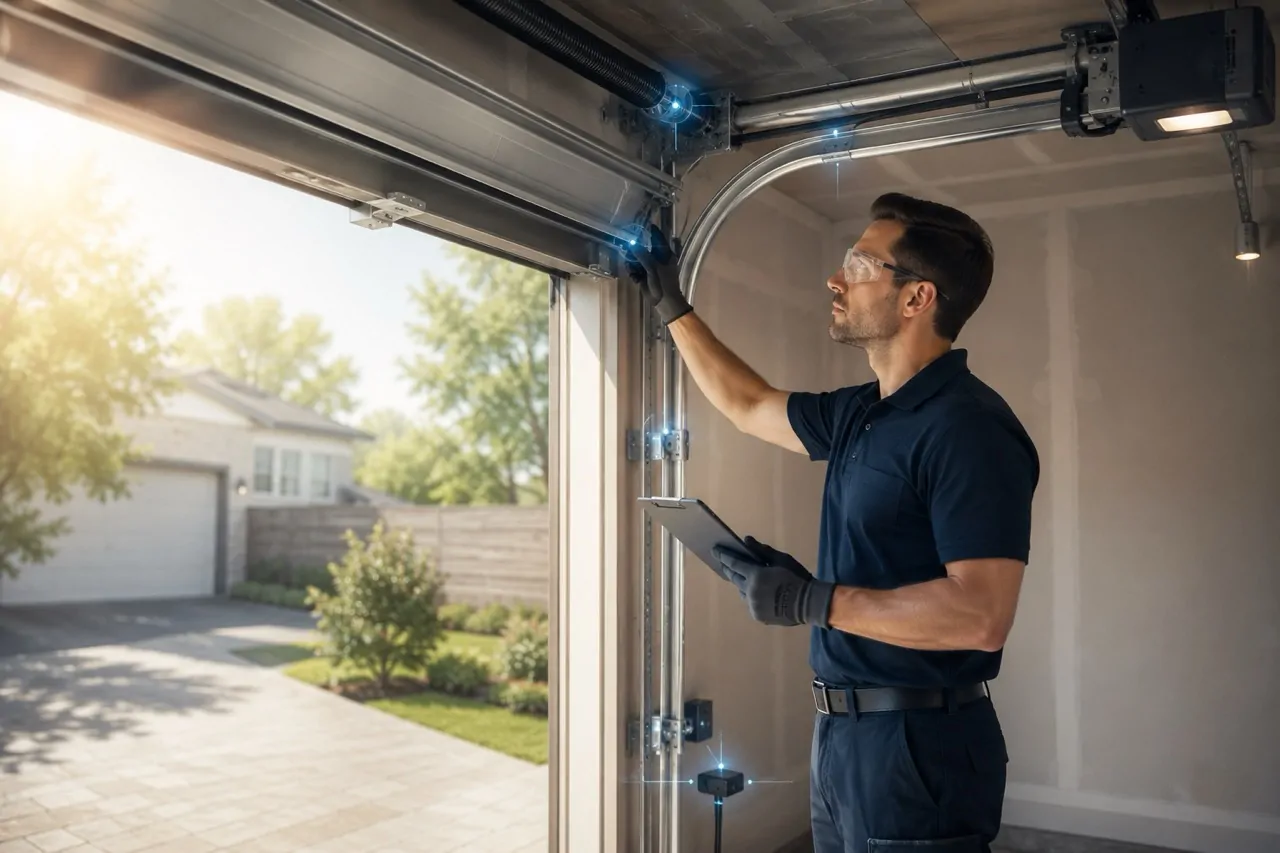
What Garage Door Technicians Look for During an Inspection
Garage doors work hard every day. Small problems can grow into major failures when ignored. That is why technicians follow a full inspection process. They do not just look at the surface. They check safety risks, hidden damage, and early signs of wear. Every part of the system gets attention during a professional garage door inspection.
This guide shows exactly what technicians look for during an inspection. It explains each step in simple terms. You will understand how your garage door system works and why each check matters. This helps you make better decisions about repair and maintenance.
Why a Garage Door Inspection Matters
A garage door is heavy and mechanical. It also depends on electrical parts and sensors. A small fault can affect the full system. That is why technicians start with a full inspection. During a garage door inspection, they check safety first. They then check performance and long term wear. The goal is simple. They want to prevent sudden failure and unsafe operation.
Visual Check of the Door Panels
Technicians begin with a full visual review. They study every panel closely and look for cracks, dents, and bending. They also check for rust or water damage. Sunlight exposure can weaken door surfaces. Florida humidity can also speed up damage. A damaged panel can affect door balance. That creates stress on springs and opener systems. A proper garage door inspection always includes this step.
Track Alignment and Movement Test
Technicians inspect the metal tracks next. They check both sides of the door a look for bends and spacing issues. They also check for loose brackets. Misaligned tracks create uneven movement. That increases strain on rollers and motor parts. They then test door movement by hand. The door should move smoothly without resistance. Any grinding sound signals a problem. This step is critical in every garage door inspection.
Spring Condition and Tension Check
Springs carry most of the door weight. They work under high tension. Technicians inspect torsion or extension springs. They look for gaps or rust spots. A broken spring can stop door movement. It can also create safety risks. They also check spring balance. An unbalanced door strains the opener. This step is one of the most important parts of a garage door inspection.
Cable and Roller Inspection
Cables support the lifting system. Rollers guide the door along tracks. Technicians check cables for fraying. They also look for loose ends. Worn cables can snap under pressure. That can damage the full system. Rollers must spin freely and quietly. Rust or dirt can block smooth motion. This step helps prevent sudden breakdowns. It is always part of a garage door inspection process.
Opener System Evaluation
The garage door opener controls movement. It connects electrical and mechanical systems. Technicians inspect the motor unit first. They check for overheating signs. They also test the drive system. Chain drive or belt drive must run smoothly. They listen for unusual motor sounds. Grinding or delay signals internal wear. A full garage door inspection always includes opener testing.
Safety Sensor Check
Safety sensors help protect people and property near the garage door. They are installed close to the ground on both sides of the opening. Technicians examine whether both units are properly aligned and facing each other. If alignment is off, the system may not work correctly.
They also test the auto reverse feature by blocking the door path. The door must stop or reverse immediately for safety. Dirt, dust, or moisture on lenses can interrupt signals. Humid conditions may also weaken sensor performance. This inspection step supports safe daily use and prevents accidents during operation.
Balance and Manual Operation Test
Technicians begin this step by disconnecting the automatic opener from the door. This allows full manual control during testing. They lift the door by hand to check balance. A properly balanced door should remain steady at mid position. It should not drop or rise on its own.
If movement is unstable, the spring system may be weak or uneven. This condition increases pressure on the opener motor. It also speeds up wear on key components. This test helps reveal hidden mechanical issues that are not always visible during normal operation and is essential for safety checks.
Weather Seal and Bottom Gap Check
Technicians carefully examine all sealing components around the garage door. The bottom seal receives the most attention during inspection. They look for cracks, stiffness, or missing sections in the rubber material. Even small gaps can allow rainwater, dust, or pests inside the garage.
Uneven contact between the door and floor also creates weak points. In regions with heavy rainfall like South Florida, this issue becomes more serious. Water intrusion can damage stored items and flooring. Strong seals help maintain indoor dryness and reduce energy loss. This step is essential for protecting the garage space.
Hardware Tightness and Fasteners
Technicians inspect all mechanical fasteners including bolts, nuts, and brackets. These parts hold the garage door system together during movement. Over time, vibration from daily use can slowly loosen them. Loose hardware may cause noise, shaking, or uneven door operation. It can also place extra stress on moving parts like rollers and tracks.
During inspection, technicians tighten or adjust components as needed. They also check for signs of metal fatigue or wear. Proper hardware condition ensures stable and safe operation. This step supports system durability and reduces the risk of sudden mechanical failure.
Electrical Wiring and Control Check
Technicians review all visible electrical wiring connected to the garage door system. They look for frayed cables, exposed wires, or heat damage. These issues can interrupt power flow or create safety hazards. They also test wall switches, remote controls, and keypad devices. Each control must respond quickly and correctly to commands.
Delayed or weak signals may indicate electrical faults. Moisture exposure can also affect wiring performance over time. This inspection step ensures the system communicates properly between components. Safe electrical function is essential for reliable garage door operation and user safety during everyday use.
Final System Test After Inspection
Technicians complete the inspection by running a full operation cycle of the garage door. They open and close the door several times to observe movement. They listen carefully for grinding, clicking, or unusual sounds. Smooth motion indicates that all components are working correctly together. They also monitor speed and stopping points during operation.
Safety sensors are tested again to confirm proper response. Any delay or irregular movement may signal underlying issues. This final review ensures all systems function as expected. It confirms the overall condition of the garage door after inspection is complete.
Why Regular Inspection Helps Homeowners
Garage door systems face daily stress. Heat, rain, and use cause wear. Inspections help detect small issues early. Early repair prevents costly damage later. Homeowners also improve safety at home. They reduce risk of sudden failure. A scheduled garage door inspection keeps systems stable. It also improves long term performance.
When You Should Call a Technician
Call a technician if you notice:
- Loud grinding sounds
- Slow or uneven movement
- Door shaking during operation
- Remote delay or failure
- Visible rust or damage
- Door not closing fully
These signs need quick attention. A professional garage door inspection can confirm the issue.
Keep Your Garage Door Running Safely
Keep your garage door safe, smooth, and reliable with expert care from A Plus Mega Garage Doors. Our technicians follow a detailed inspection process that checks springs, sensors, cables, and all key components. This helps prevent sudden failures and improves daily performance. A professional garage door inspection can reveal hidden issues before they become costly repairs.
0791 NW 53rd St Suite 113, Sunrise, FL 33351
(954) 965-9988
guevaragaragedoors@gmail.com